
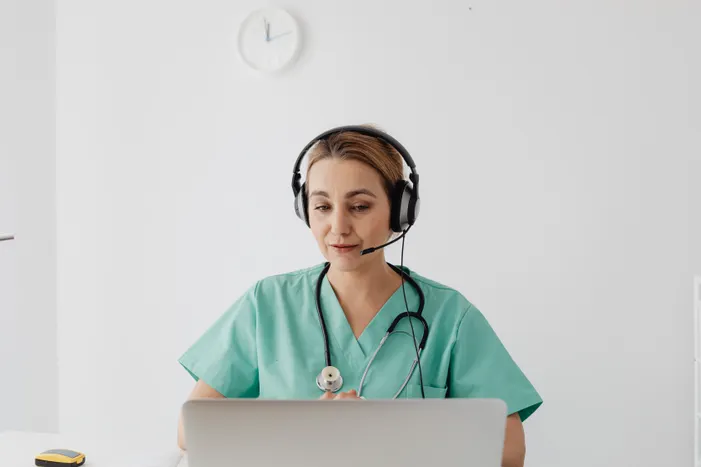
Getting a same-day GP appointment has become genuinely difficult in many parts of the UK, which is exactly why telemedicine has moved from a pandemic-era workaround into a permanent, mainstream part of how people access healthcare.
Quick Answer
Telemedicine is the delivery of clinical healthcare services remotely using technology, typically through video calls, phone consultations, or messaging with a doctor or other healthcare professional. It covers everything from routine GP consultations to remote monitoring of chronic conditions, online mental health support, and digital prescriptions. It works well for many everyday health concerns, but is not a replacement for in-person examination when a physical assessment is genuinely needed.
Telemedicine vs Telehealth: A Quick Distinction
The terms are often used interchangeably, but there is a technical difference. Telemedicine specifically refers to clinical services, such as a doctor diagnosing and treating a condition remotely. Telehealth is the broader umbrella term, also covering health education, coaching, and non-clinical remote monitoring. In everyday use, most people use the two terms to mean the same thing.
How a Typical Telemedicine Consultation Works
- You submit a request through an online portal or by phone, describing your symptoms or concern
- A triage system, sometimes involving a nurse or automated questionnaire, directs your request to the right professional, which might be a GP, pharmacist, or physiotherapist
- You have a video, phone, or messaging consultation with that professional at a scheduled time
- The clinician assesses your symptoms, asks follow-up questions, and may ask you to show a visible symptom on camera
- You receive a diagnosis, advice, a digital prescription sent to a pharmacy, or a referral for further in-person tests if needed
What Telemedicine Covers
- Video and phone GP consultations. Routine appointments for common symptoms, prescription reviews, and general health concerns.
- Remote monitoring of chronic conditions. Wearable devices and home monitoring tools track conditions like diabetes or hypertension, feeding data back to a care team.
- Online mental health support. Teletherapy and counselling sessions conducted remotely, reducing barriers for people uncomfortable with in-person visits.
- Digital prescriptions. Medication prescribed during a virtual consultation sent electronically to a local pharmacy for collection.
- Specialist referrals. A virtual GP consultation can result in a referral to a specialist, sometimes bypassing lengthy waiting lists.
Why Telemedicine Has Grown So Much in the UK
NHS GP waiting times have lengthened considerably in recent years, with many patients unable to secure a same-day or next-day appointment. Telemedicine services, often included as standard in private medical insurance policies, offer an alternative route to speaking with a clinician within hours rather than weeks. This convenience factor, combined with broader comfort with video calls since the pandemic, has driven sustained adoption well beyond the initial emergency circumstances that first popularised it.
Genuine Benefits
- Faster access to a clinician, often on the same day, compared with typical in-person waiting times
- No need to take significant time off work or arrange travel for a routine consultation
- Reduced risk of hospital-acquired infections for patients with chronic conditions who would otherwise need frequent in-person visits
- Greater privacy and comfort for sensitive concerns, particularly around mental health
- Continuity of care for chronic condition management through regular remote check-ins
Genuine Limitations
- A screen cannot replace a physical examination, such as listening to your chest or physically examining an injury
- Some conditions require in-person diagnostic tests, imaging, or bloodwork that cannot be conducted remotely
- Technology access and confidence can be a genuine barrier for some patients, particularly older adults
- Continuity with a single, familiar doctor can be harder to maintain compared with a regular in-person GP relationship
Does Telemedicine Replace the NHS?
Telemedicine does not replace core NHS services, and most providers are explicit about this. Instead, it fills a specific gap for people who need faster access to initial consultations, ongoing chronic condition monitoring, or want an alternative for concerns they would rather discuss privately, while more complex or urgent cases still route through standard NHS emergency and specialist pathways.
Frequently Asked Questions
Is telemedicine the same as telehealth?
They are often used interchangeably, though technically telemedicine refers specifically to clinical services, while telehealth is the broader term covering health education and monitoring too.
Can a telemedicine doctor prescribe medication?
Yes, clinicians can issue digital prescriptions during a virtual consultation, sent electronically to a pharmacy for collection.
Is telemedicine as effective as an in-person GP visit?
For many routine concerns, yes, though some conditions genuinely require physical examination or in-person diagnostic tests that cannot be replicated remotely.
Does telemedicine replace NHS GP services?
No, it complements rather than replaces core NHS services, offering an additional route to faster initial consultations.
What happens if a telemedicine consultation identifies a serious issue?
The clinician will typically refer you for in-person examination, further tests, or emergency care as appropriate for the situation.
Related Reading
This article is for general information only and is not a substitute for professional medical advice. Always consult a qualified healthcare provider regarding any health concerns.