
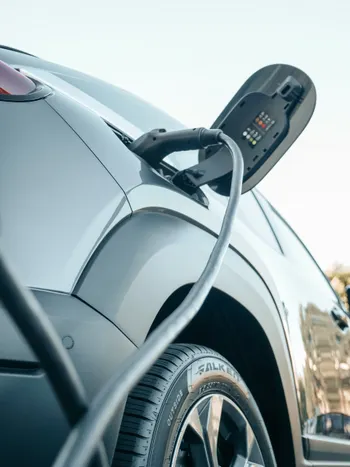
Charging an electric car costs a fraction of filling a petrol tank, but the exact figure depends heavily on where and how you charge. Understanding the real numbers helps you budget accurately and avoid the most expensive charging habits.
Quick Answer
Charging an electric car at home in the UK typically costs £10 to £20 for a full charge on a standard tariff, working out at roughly 3 to 5 pence per mile. Public rapid and ultra-rapid charging costs considerably more, often 44 to 80 pence per kWh, meaning a full rapid charge can cost £25 to £40 or more. Most EV drivers charge at home for the majority of their mileage and only use public chargers occasionally.
Home Charging Costs
On a standard variable electricity tariff, UK drivers pay around 25p to 34p per kWh. A typical 60kWh battery costs roughly £15 to £20 to charge fully from empty. Charging overnight on an off-peak tariff, often priced between 7p and 12p per kWh, can cut this to as little as £4 to £8, since most home chargers run on a 7kW unit that fully charges a mid-size EV in six to eight hours.
Public Charging Costs
- Slow and standard chargers (up to 49kW). Typically 40p to 55p per kWh, often found at supermarkets and car parks.
- Rapid chargers (50kW to 149kW). Generally 44p to 65p per kWh, common at motorway services and retail sites.
- Ultra-rapid chargers (150kW and above). The most expensive tier, often 70p to 85p per kWh, delivering the fastest charging speeds for long journeys.
Why Public Charging Costs So Much More
Public charging infrastructure carries higher operating costs than a home electricity connection, including the electricity itself, network maintenance, and business rates on charging sites. Faster charging speeds also draw more power, which charge point operators price at a premium. This is why most EV drivers try to do the bulk of their charging at home whenever possible.
Cost Per Mile Compared to Petrol
Charging at home typically works out to 3 to 5 pence per mile, compared with around 15 to 18 pence per mile for an equivalent petrol car at current fuel prices. Even relying entirely on public rapid charging, EV running costs generally remain lower than petrol, though the savings shrink considerably compared with home charging.
What Affects Your Actual Cost
- Battery size. Larger batteries cost more to fill but typically offer greater range per charge.
- Charging speed chosen. Faster charging almost always costs more per kWh than slower charging.
- Time of charging. Off-peak home tariffs can cut costs significantly compared with daytime rates.
- Charge point operator. Prices vary noticeably between networks such as BP Pulse, Gridserve, Instavolt, and others.
- Charging to 80% versus 100%. Many manufacturers recommend charging to 80% for daily use, which is faster and puts less strain on the battery.
The Cost of Installing a Home Charger
A dedicated home EV charger typically costs £800 to £1,200 to install, depending on your property’s electrical setup and the distance from the consumer unit to the parking space. While this is an upfront cost, home charging is consistently the cheapest way to run an EV, meaning the investment is usually recovered within a year or two for regular drivers.
Monthly Cost Estimates by Mileage
| Monthly Mileage | Home Charging Cost (Off-Peak) | Public Rapid Charging Cost |
|---|---|---|
| 500 miles | £15 to £25 | £75 to £110 |
| 1,000 miles | £30 to £50 | £150 to £220 |
| 1,500 miles | £45 to £75 | £225 to £330 |
Tips to Reduce Charging Costs
- Switch to an EV-specific off-peak electricity tariff if your supplier offers one
- Charge overnight whenever possible rather than during peak daytime hours
- Use apps to compare public charging prices before starting a long journey
- Charge to 80% for daily driving and reserve 100% charges for longer trips
- Consider workplace charging if your employer offers it, since many schemes are free or subsidised
Frequently Asked Questions
How much does it cost to fully charge an electric car at home?
Typically £10 to £20 on a standard tariff, or as little as £4 to £8 on an off-peak overnight tariff.
Is public rapid charging much more expensive than home charging?
Yes, often two to four times more expensive per kWh than charging at home.
How much does it cost to install a home EV charger?
Typically £800 to £1,200, depending on your property’s electrical setup.
Is charging an EV still cheaper than petrol?
Yes, in almost all cases, even when relying on public rapid charging, though the savings are greatest when charging at home.
Should I charge my EV to 100% every time?
Most manufacturers recommend charging to around 80% for daily use, reserving 100% charges for longer journeys.
Related Reading
- More automotive guides coming soon to thedigitaljournal.co.uk
For official UK data on electric vehicle charging infrastructure referenced in this guide, see GOV.UK’s electric vehicle charging guidance.