
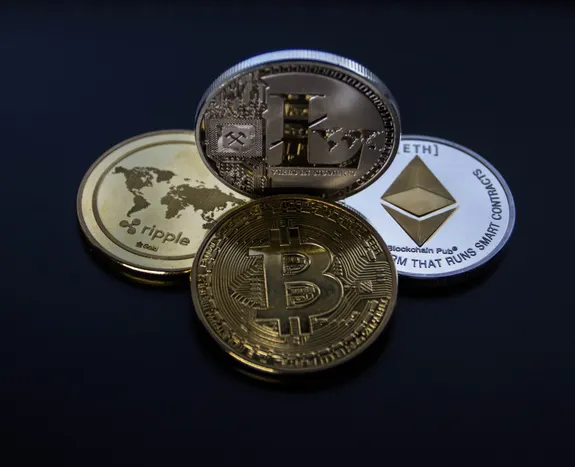
Before a new cryptocurrency ever reaches a public exchange, many projects raise early funding by selling tokens directly to supporters. Understanding how this process actually works, and where the genuine risks sit, matters far more than chasing the next presale hype cycle.
Quick Answer
A crypto presale is an early fundraising stage where a blockchain project sells its tokens to supporters before those tokens are listed on any public exchange, usually at a discounted price. Presales fund development, marketing, and liquidity, while early buyers hope the token’s value rises once public trading begins. Presales are considered high-risk, since tokens are often illiquid until listing, and there is no guarantee a listing will happen at all.
How a Crypto Presale Actually Works
A project team announces a presale with details on token pricing, total supply, and how funds raised will be used, often published in a whitepaper or tokenomics document. Buyers commit funds, typically in a major cryptocurrency such as ETH or a stablecoin, and receive an allocation of the new token, either immediately or according to a vesting schedule that releases tokens gradually over time.
Why Projects Run Presales
- Raising development funding. Presale proceeds often fund the technical work needed to actually build the product before it generates its own revenue.
- Testing genuine interest. Strong presale demand signals real community interest before a costly public launch.
- Building an early community. Presale participants often become a project’s first genuine advocates and users.
- Providing initial liquidity. Funds raised can help establish trading liquidity once the token lists on an exchange.
Presale, ICO, and IEO: What’s the Difference?
A presale is typically an earlier, smaller round open to a limited group before a broader Initial Coin Offering (ICO) or Initial Exchange Offering (IEO). An IEO is run through an established exchange platform, which usually applies some vetting to the project, while a presale run independently by a project team carries no such third-party check.
Genuine Risks Involved
- No guaranteed listing. A presale token’s eventual exchange listing is not guaranteed, and projects can be denied listing or delisted after launch in some jurisdictions.
- Illiquidity. Tokens are typically illiquid from purchase until listing, meaning you cannot sell or trade them during that period even if you want to exit.
- Vesting sell pressure. Scheduled token releases after listing can create predictable selling pressure that pushes prices down.
- Smart contract vulnerabilities. Poorly audited or malicious smart contracts have resulted in total loss of funds in past presales.
- Scams and fraudulent projects. The presale space has attracted bad actors running fake projects with no genuine intention of delivering a product.
- Regulatory uncertainty. Rules on token sales vary significantly by jurisdiction, and what is permitted in one country may not be in another.
Red Flags Worth Recognising
- No published, verifiable whitepaper or a whitepaper that is vague about actual use of funds
- An anonymous team with no verifiable track record or professional history
- Guaranteed or unrealistic promised returns, which no legitimate investment can offer
- Excessive pressure and urgency tactics pushing you to buy immediately
- No independent smart contract audit from a recognised security firm
Basic Due Diligence Questions to Ask
- Has the project’s smart contract been independently audited, and is that audit publicly available?
- Is the team publicly identified and do they have a verifiable professional background?
- What specifically will the funds raised be used for, in concrete rather than vague terms?
- What is the vesting schedule, and when will tokens actually become tradeable?
- Which jurisdictions is the presale legally targeting, and does that affect your ability to participate?
How This Connects to Wallet Security
Participating in a presale means connecting a crypto wallet and authorising transactions, which makes wallet security especially important given how frequently presales are targeted by scams. See our guide on hot wallet vs cold wallet storage for how to keep your holdings secure while participating in any token sale.
Frequently Asked Questions
Is a crypto presale the same as an ICO?
A presale is typically an earlier, smaller round that can precede a broader ICO or IEO, though terminology varies across projects.
Can I sell presale tokens immediately after buying them?
Usually not. Presale tokens are typically illiquid until the project lists on an exchange, and may be subject to a vesting schedule even after listing.
Are crypto presales regulated?
Regulation varies significantly by jurisdiction, and rules that apply in one country may not apply, or may be stricter, in another.
What is a smart contract audit?
An independent security review of a project’s smart contract code, intended to identify vulnerabilities before real funds are at risk.
Are all crypto presales scams?
No, but the space has attracted fraudulent projects, which is why independent due diligence before participating is genuinely important.
This article is educational and does not constitute financial or investment advice. Crypto presales carry significant risk, including the potential loss of all funds invested.