
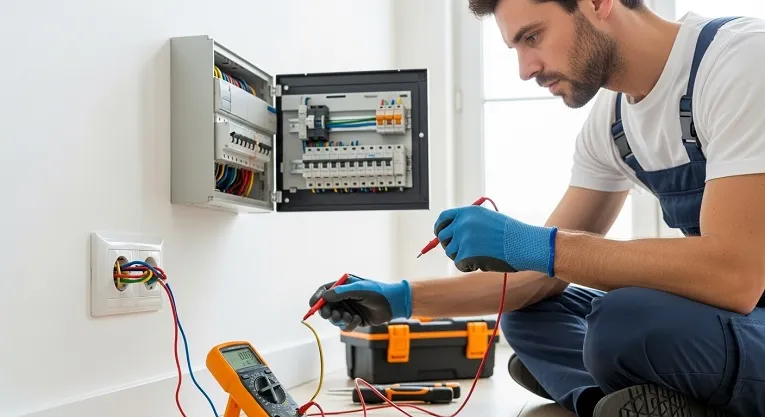
An EICR, or Electrical Installation Condition Report, is a critical tool for ensuring electrical safety in both residential and commercial properties. Electrical hazards can cause serious accidents, fires, or property damage if wiring and installations are not regularly inspected. This comprehensive guide explains what an EICR is, who requires it, what the process involves, and why it’s essential for property owners, landlords, and professionals. By the end of this article, you’ll understand how EICRs protect lives and property while complying with legal standards.
What Is an EICR?
An Electrical Installation Condition Report (EICR) is a formal inspection and testing process of a property’s fixed electrical installations. Unlike portable appliance tests that focus on devices, an EICR examines the fixed wiring, consumer units, sockets, switches, and other permanent components. The goal is to ensure all installations meet national electrical safety regulations, detect faults, and reduce the risk of accidents.
EICRs are widely used in the UK and other regions where compliance with wiring regulations is mandatory, particularly in rented or commercial properties.
Why an EICR Is Important
Electrical installations degrade over time due to wear, environmental factors, or poor maintenance. Regular inspections via an EICR are crucial for several reasons:
- Safety: Identifies risks like faulty wiring, damaged insulation, or exposed conductors that can cause shocks or fires.
- Legal Compliance: Landlords and businesses must meet safety regulations, often requiring EICR certification.
- Insurance: Insurers may request proof of electrical safety via an EICR when issuing or renewing policies.
- Maintenance Planning: Helps prioritize repairs and replacements to prevent costly emergencies.
By conducting an EICR, property owners not only protect occupants but also minimize liability and ensure compliance with national safety standards.
Who Needs an EICR?
While anyone can benefit from an EICR, certain groups are legally or practically required to have one:
- Landlords: In many countries, rental properties must undergo an EICR every five years or at the start of a new tenancy.
- Commercial Property Owners: Offices, shops, and industrial spaces often require periodic inspections for safety compliance.
- Homeowners: While not always legally required, having an EICR is a smart preventive measure for private residences.
- Buyers and Sellers: Conducting an EICR during property transactions ensures all electrical installations are safe and compliant.
EICRs are especially important in properties with older wiring or frequent renovations, as these factors can increase the risk of electrical hazards.
What an EICR Covers
An EICR combines visual inspections with electrical testing to provide a thorough assessment of a property’s wiring and installations.
Visual Inspection Includes:
- Condition of fixed wiring and consumer units
- Sockets, switches, and lighting points
- Earthing and bonding arrangements
- Signs of damage, overheating, corrosion, or unlicensed DIY work
Electrical Testing Includes:
- Continuity of protective conductors
- Insulation resistance checks
- Polarity and circuit integrity
- Earth fault loop impedance
- Residual Current Device (RCD) functionality
The combination of these inspections ensures that both visible and hidden electrical faults are detected.
How an EICR Is Conducted
A qualified and competent electrician carries out an EICR. The process typically involves the following steps:
- Registration and Preparation: Arrange an appointment with a certified electrician, ideally someone registered with NICEIC or NAPIT.
- Visual Examination: The electrician inspects the wiring and components for visible damage or irregularities.
- Testing: Electrical tests are performed to ensure wiring integrity and functionality of safety devices.
- Reporting: Findings are documented in a detailed report, including any defects and recommendations for corrective action.
- Classification of Issues: Defects are classified as C1 (danger present), C2 (potentially dangerous), C3 (improvement recommended), or FI (further investigation needed).
The report serves as a formal record for safety compliance and future inspections.
Benefits of EICR
There are several advantages to having an EICR carried out:
- Increased Safety: Identifies hazards before they cause harm.
- Regulatory Compliance: Meets legal requirements for landlords and businesses.
- Improved Maintenance: Highlights areas needing repair or upgrade.
- Peace of Mind: Provides evidence that your electrical systems are safe.
- Insurance Validation: Strengthens claims or approvals from insurers.
Regular EICRs are a small investment compared to the potential costs of accidents, legal issues, or property damage.
Common Questions About EICR
Is an EICR mandatory?
Yes, for landlords and commercial property owners, it is required by law. Homeowners are not legally obliged but are strongly advised to get one.
How often should an EICR be done?
- Rental properties: Every 5 years or at the change of tenancy
- Homeowners: Every 10 years (recommended)
- Caravans: Every 3 years
- Swimming pools or special installations: Annually
Who can carry out an EICR?
Only a qualified electrician with proper certification from recognized trade bodies can conduct a valid EICR.
What if defects are found?
Defects are classified into C1, C2, C3, or FI. C1 and C2 defects require urgent attention, while C3 or FI may be scheduled for later remediation.
Does EICR cover appliances?
No, it only covers fixed installations. Portable appliances require separate testing known as PAT (Portable Appliance Testing).
Conclusion
An EICR is more than just a legal requirement for certain properties — it is a vital tool for maintaining electrical safety, preventing accidents, and ensuring compliance with national standards. By understanding what an EICR is, who needs it, and how it works, property owners, landlords, and professionals can take proactive steps to protect people, property, and investments. Whether for a home, rental property, or commercial space, scheduling regular EICRs is a key part of responsible property management and safety.